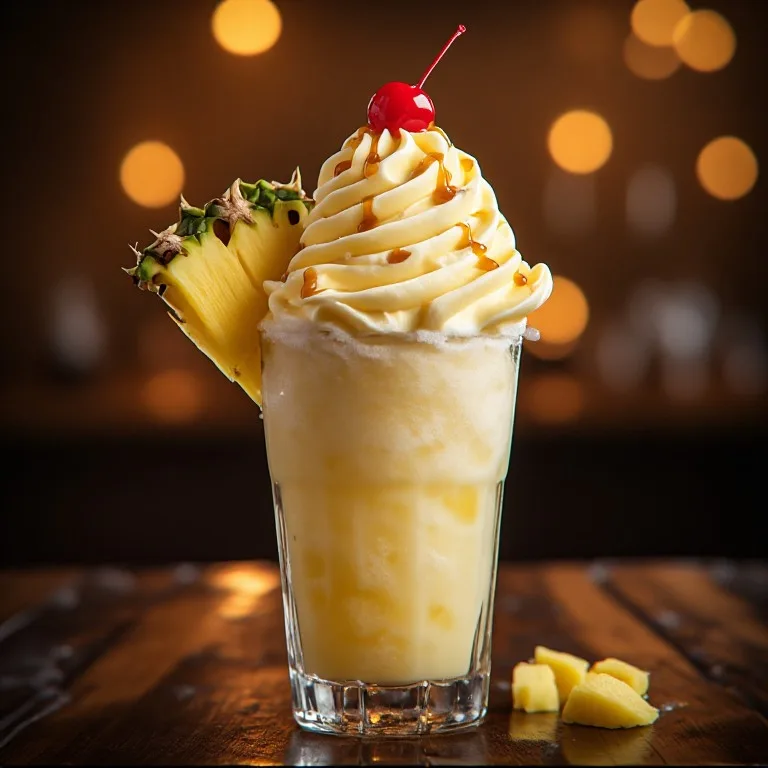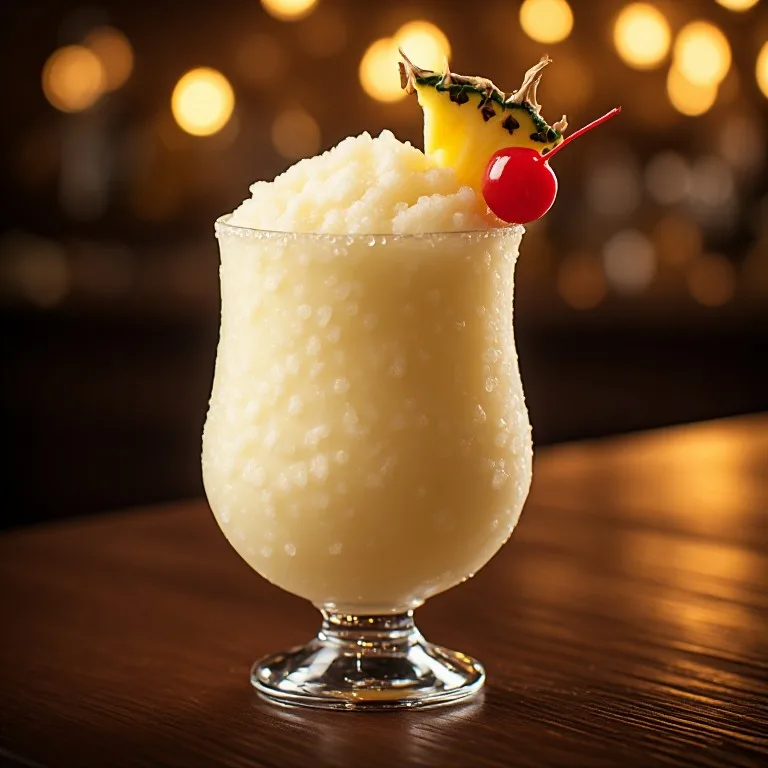
The Caribe Hilton opened in San Juan in 1949 as one of the first big modern resort hotels in the Caribbean. A few years later, its bar started serving a creamy, blended drink of rum, coconut and pineapple. The hotel has been calling itself the birthplace of the piña colada ever since — though not everyone agrees.
The Caribe Hilton Version
The hotel credits Ramón ‘Monchito’ Marrero, who it says created the drink in 1954 and made it at the hotel for 35 years. It publishes a recipe each year around National Piña Colada Day (July 10):
- 2 oz white rum
- 1 oz coconut cream (sweetened cream of coconut)
- 1 oz heavy cream
- 6 oz fresh pineapple juice
- ½ cup crushed ice
- Blend about 15 seconds
The key detail is the heavy cream. Most home recipes skip it and use only cream of coconut, which is thick and sweet but not creamy in the same way. Dairy cream gives the hotel version its round, milkshake texture.
The Dispute
The piña colada has at least three claimants.
- Ramón ‘Monchito’ Marrero, Caribe Hilton, 1954. The hotel’s official story.
- Ricardo García, Caribe Hilton, around 1954. Another bartender at the same hotel who also claimed to have invented it, reportedly while improvising during a coconut shortage.
- Ramón Portas Mingot, Barrachina, 1963. The Barrachina restaurant in Old San Juan says Portas Mingot created it there, and there’s a plaque at its entrance.
To make it more complicated, drinks called ‘piña colada’ (meaning ‘strained pineapple’) appear in print well before 1954, but these were usually pineapple and rum without coconut. The creamy version needed Coco López, a canned cream of coconut developed in Puerto Rico in the 1950s. Most historians give the hotel credit for popularizing the modern piña colada, but no one can prove a first.
Why Most Piña Coladas Are Disappointing
Bar piña coladas are often made with premixed ‘colada mix’ — mostly sugar, artificial pineapple and coconut flavorings. They’re too sweet, often icy, and taste like sunscreen.
Home versions often go wrong in the opposite way: too much ice. A cup or two of ice turns the drink into a coarse, watery slush. The Caribe Hilton uses only half a cup of crushed ice, and blends for about 15 seconds. It should be creamy, pourable and cold, not a snow cone.
The Key Technique: Little Ice, Fresh Pineapple
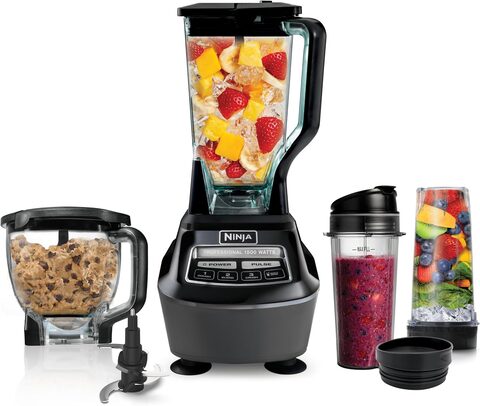
Fresh pineapple juice is the best upgrade you can make. Juice a ripe pineapple, or blend chunks and strain them. It’s brighter and more aromatic than canned juice and it gives a natural foam. Put liquids in the blender first, add half a cup of crushed ice, and blend just until smooth.
Making Them for a Crowd
Mix a batch of everything except the ice and refrigerate it. When it’s time to serve, blend it in small batches with crushed ice — no more than two drinks at a time. A packed blender gives an uneven texture. The base keeps a day in the fridge; shake it before using, since the cream separates.
The Mocktail: Monchito
A virgin piña colada is very sweet without the rum’s dry, slightly sharp edge. Add a quarter-ounce of lime juice for acidity and a drop of vanilla, which suggests a rum’s aroma. It’s still rich, but balanced.
Getting Good Pineapple Juice
Pineapple juice is 6 of the drink’s 10 ounces, so it’s worth getting right. The best option is fresh: peel and chop a ripe pineapple, blend the chunks until smooth and press through a strainer. One medium pineapple yields about 2–3 cups of juice — enough for three or four drinks. A ripe pineapple smells sweet at the base and has a golden color.
The next best option is refrigerated not-from-concentrate juice. Canned juice is the most common bar choice; it works but tastes slightly metallic and flat. Never use pineapple ‘drink’ or ‘cocktail’ blends with added sugar — the cream of coconut already provides plenty.
Enjoy responsibly — must be 21+.