Pin It

The Hugo Spritz — The Elderflower Spritz From the Italian Alps That Took Over Summer

The Hugo Spritz — The Elderflower Spritz From the Italian Alps That Took Over Summer
The specLight
Spirit
Wine
Glass
Wine
Method
Built
Garnish
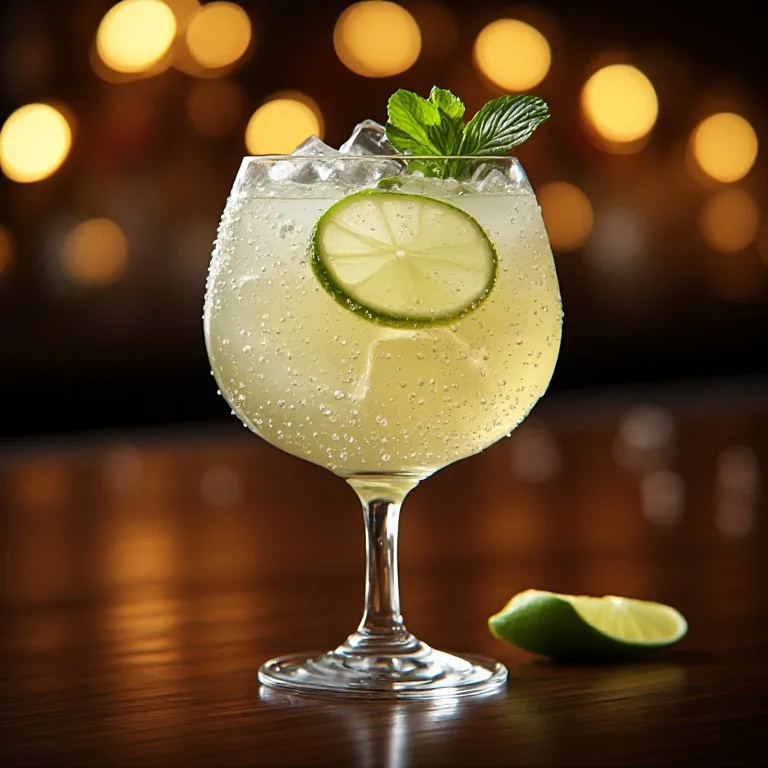
Mint sprig and lime wheel
ABV (est.)
~8%
Standard drinks
1.0

1 US standard drink = 0.6 oz (14 g) pure alcohol. Estimates assume normal dilution.Make it a mocktail →

Jump to Recipe
Prep 3 min Serves 1 cocktail
Quick answer: A Hugo Spritz is 4 oz (120 ml) Prosecco, ¾ oz (22 ml) elderflower liqueur (St-Germain) or ½ oz (15 ml) elderflower syrup, and 1–2 oz (30–60 ml) soda water, built over ice in a wine glass with a few mint leaves and a lime wedge. Bartender Roland Gruber created it in 2005 in South Tyrol, northern Italy, originally with lemon balm syrup. It went viral as an Aperol Spritz alternative around summer 2023 and stayed popular through 2024.

The Hugo Spritz — The Elderflower Spritz From the Italian Alps That Took Over Summer

The Hugo Spritz — Prosecco, elderflower, soda, fresh mint and lime — was created in South Tyrol in 2005 and became the 'new Aperol Spritz' on TikTok and in American bars around 2023–2024. The original recipe, the US version, and how to make it.

Easy Prep: 3 min1 cocktail servings ~$2.10/serving
Prep3 min
Servings
1
At home~$2.10/serving
vs
Restaurant~$9.45/serving
You save ~78%

The Story Behind the Drink

The Hugo Spritz — Prosecco, elderflower, soda, fresh mint and lime — was created in South Tyrol in 2005 and became the 'new Aperol Spritz' on TikTok and in American bars around 2023–2024. The original recipe, the US version, and how to make it.

Nutrition Facts

Per serving (1 cocktail servings)
Calories175
Total Fat0g
Total Carbs12g
Sugars11g
Protein0g

* Estimated values based on standard recipe preparation. Actual values may vary.

Ingredients

Instructions

💡
Pro tip: Chill your glass and use fresh citrus squeezed the same day. Taste before you pour; a few drops of lime or simple syrup fixes most balance issues.
❄️
Batching: Mix everything except ice and bubbles up to a day ahead and keep it in the fridge. Shake or stir each drink with ice to order. Fresh citrus is best within 24 hours.
Make it a mocktail · zero proof

Hugo Zero

Elderflower cordial already carries most of the flavor, so NA sparkling wine (or a mix of soda and white grape juice with a dash of verjus) makes a version that tastes nearly identical.

Ingredients

  • ½ oz (15 ml) elderflower cordial or syrup
  • 4 oz (120 ml) non-alcoholic sparkling wine (or 3 oz soda + 1 oz white grape juice + 1 tsp verjus)
  • 1 oz (30 ml) soda water
  • 6 mint leaves, lime wedge, ice

Steps

  1. Build. Press the mint gently in a wine glass, add the cordial and lime, then ice.
  2. Top. Add the sparkling base and soda, stir once, and garnish with mint and lime.

About 70 calories per drink · 0% ABV

Free PDF: the Copycat Cocktail starter pack — 12 famous-bar drinks + their mocktails.

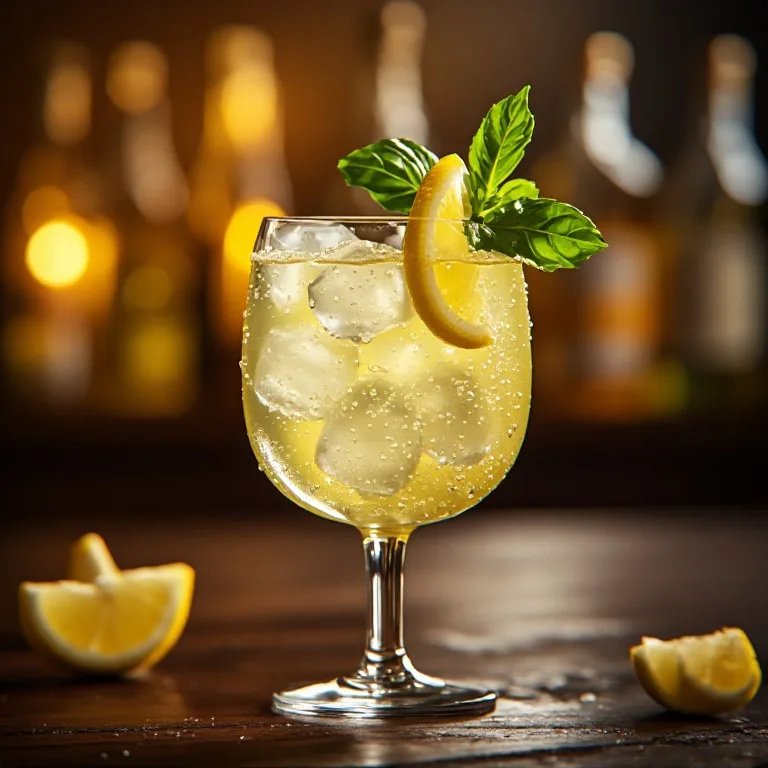
For years, the Aperol Spritz was the summer drink. Then the Hugo came along — pale gold, fizzy, full of mint and smelling of elderflower. It was pitched online as the ‘new Aperol Spritz,’ and it’s been on summer menus everywhere since.

Where It Came From

The Hugo is a young drink. In 2005, Roland Gruber, a bartender in Naturns (Naturno in Italian), a town in South Tyrol in the Italian Alps, created it as a local alternative to the spritz. Sources say he first called it ‘Otto’ before settling on Hugo.

His original version used lemon balm syrup. Elderflower syrup, which is common in Alpine kitchens, soon replaced it because it was easier to find and more popular. The drink spread quickly through South Tyrol, Austria, Germany and Switzerland, and has been a summer favorite there for well over a decade.

Where and When It Went Viral

The Hugo became a US trend around summer 2023. On TikTok and Instagram, creators called it the ‘drink of the summer’ and the ‘new Aperol Spritz.’ Food and lifestyle media picked it up, and bars added it to their menus. The trend continued into 2024.

It became popular for good reasons. It’s lighter and less bitter than the Aperol Spritz, it looks great, and it’s easy to make at home.

What’s Different About the US Version

In northern Italy, a Hugo is made with elderflower syrup, which has no alcohol. In the US, most bars use St-Germain, an elderflower liqueur. The liqueur is a little stronger and slightly more complex; the syrup tastes brighter and more floral. Both are fine. This recipe gives you both options.

Why Some Hugos Fall Flat
  • Too much elderflower. Elderflower is strong and sweet. More than an ounce of liqueur makes the drink perfumy.
  • Crushed mint. Light pressing releases aroma; crushing makes it bitter.
  • Warm Prosecco. Warm sparkling wine loses its bubbles quickly and makes the drink flat.
  • Not enough ice. Fill the glass with ice so the drink stays cold and fizzy.
The Key Technique: Build in the Glass

The Hugo is built directly in the glass. Press the mint, add the elderflower and a squeeze of lime, fill with ice, then add Prosecco and soda. A single lift with a spoon mixes it without losing bubbles.

For a Party

Make a pitcher by pressing mint in the bottom, adding elderflower and lime, then adding cold Prosecco and soda just before serving. Don’t add sparkling ingredients ahead of time. Keep extra mint around for garnish.

The Mocktail: Hugo Zero

Many people in South Tyrol drink the Hugo without alcohol, because elderflower syrup provides most of the flavor. Use a non-alcoholic sparkling wine, or mix soda with a splash of white grape juice and verjus. It tastes very close to the real thing.

Hugo vs. Aperol Spritz

The Hugo is often called the ‘new Aperol Spritz,’ but they taste very different:

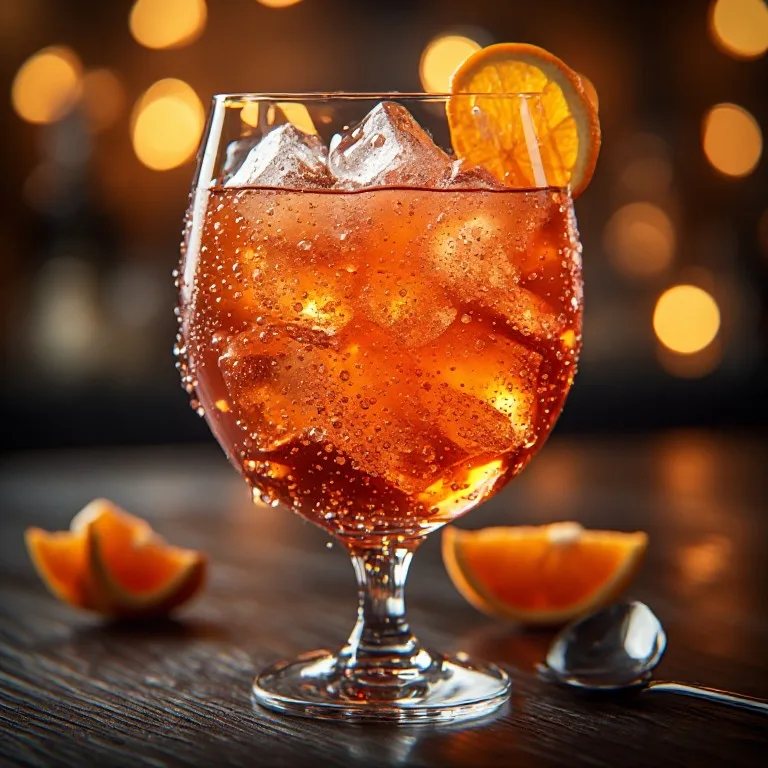
  • Aperol Spritz: Bright orange, bitter-sweet, with orange and rhubarb flavors from Aperol. It’s an aperitivo meant to stimulate the appetite.
  • Hugo Spritz: Pale gold, floral and fresh, with elderflower, mint and lime. It’s lighter and less bitter, and it tastes more like a garden than a bitter aperitivo.

People who find the Aperol Spritz too bitter often prefer the Hugo. People who find the Hugo too sweet or floral may prefer the Aperol.

Choosing Elderflower

St-Germain is the best-known elderflower liqueur. It’s sweet, floral and a little fruity. Other liqueurs, like Fiorente or Drillaud, are cheaper and work fine.

For a syrup, look for elderflower cordial. Belvoir and IKEA’s elderflower syrup are widely available. Monin makes one too. Cordials vary in sweetness, so start with half an ounce and taste.

Enjoy responsibly — must be 21+.
Free · Personalized PDF · BetaAdd The Hugo Spritz — The Elderflower Spritz From the Italian Alps That Took Over Summer to your free custom bar bookLoved this one? Start a personalized PDF bar book of your favorite copycat cocktails (mocktail versions included) — we build it and email it to you, free while in beta.Add this recipe →

Equipment You'll Need

Large wine glass

Spritzes are served in a big wine glass

Bar spoon

For pressing mint and a gentle stir

Jigger

For measuring

Frequently Asked Questions

What is in a Hugo Spritz?

Prosecco, elderflower (as a syrup or liqueur), soda water, fresh mint and lime. In northern Italy and Austria, it's usually made with elderflower syrup. In the US, St-Germain elderflower liqueur is more common.

How strong is a Hugo Spritz?

Light. With 4 oz Prosecco and ¾ oz elderflower liqueur, it's about one US standard drink and around 8% ABV. With syrup instead of liqueur, it's a bit lower.

Where did the Hugo Spritz go viral?

Mainly on TikTok and Instagram, where it was pitched as the 'new Aperol Spritz' or 'the drink of the summer' starting around summer 2023, with more coverage in 2024. It had already been popular in Germany, Austria and northern Italy for over a decade.

Who created the Hugo?

Roland Gruber, a bartender in Naturns (Naturno) in South Tyrol, northern Italy, in 2005. His original version used lemon balm (melissa) syrup; elderflower syrup became standard later. Sources say he first called it 'Otto' before renaming it Hugo.

Can I make Hugo Spritzes in a pitcher?

Yes. Lightly bruise a handful of mint in a pitcher, add ¾ cup elderflower liqueur and the juice of 2 limes, then one chilled bottle of Prosecco and 1 cup soda right before serving. Pour over ice. Makes about 6.

Is there a non-alcoholic Hugo?

Yes — the Hugo Zero below uses elderflower cordial, NA sparkling wine and soda, which is actually how a lot of South Tyroleans drink it.

Free · Personalized PDF · Beta

Love The Hugo Spritz — The Elderflower Spritz From the Italian Alps That Took Over Summer? Put it in your own bar book.

Pick your favorite copycat cocktails and we'll build you a personalized PDF bar book, mocktail versions included. Free while in beta.

Build your bar book →

Love this recipe? Share it!

Free PDF: the Copycat Cocktail starter pack — 12 famous-bar drinks + their mocktails.

Ratings & Reviews

—
No ratings yet

Rate this recipe

Click a star to rate

Leave a Review

0/500

CC

Copycat Cocktail Bar Team

Every drink on Copycat Cocktail is researched against what the restaurant or bar actually serves, specced in ounces, and paired with a zero-proof mocktail version. Where history or specs are uncertain, we say so.

Learn more about our mission →